Ramen Shop Simulator cleaning is not optional polish — the shop has to be kept clean and the customers notice when it is not. Sticky floors and dirty bowls are exactly the things that end up in a customer review, so the routine is part of the game rather than a chore after it.
Ramen Shop Simulator cleaning: the end-of-day checklist
Run the shop down in this order and nothing gets missed:
- Sweep the floor with the broom.
- Check that all your lights work.
- Keep an eye on the toilet.
- Empty the trash can — hold E on a non-empty trash can to spawn a trash bag.
- Carry the bag out to the alley trash station and throw it.
- Throw the delivery boxes away at the same station.
- Wash the cookware, glasses and beer kegs at the sink.
Two separate things are called "trash" in the shop and they have to be handled differently. Food waste goes in the trash can inside the shop, and that becomes a bag you carry out. Cardboard and packaging do not go in the bin at all — delivery boxes have to be thrown away at the alley station, and you can save yourself a trip by doing them in the same walk.
The routine above is the full list. If it eats into your evening, the clean faster guide covers the habits that cut the time without cutting the list.
Sweeping, lights and the toilet
The broom is for the floor and the cleaning cloth is for every other surface. The floor is the one customers look at when they sit down, so it is the one that ends up in a review.
Lights and the toilet are part of the same daily sweep rather than optional extras. A dark shop and a toilet that has not been checked are both the sort of thing a customer will mention, and the reviews are where you will hear about them.
Washing dishes, glasses and kegs
Cookware and glasses get dirty while they are used, and beer kegs and glasses get dirty as well. They are washed at the sink, where the game shows "IS CLEANED!" when a piece of tableware is done.
There is one rule that catches people out and it is an ordering rule, not a cleaning rule: a pot or bowl cannot be washed until you have emptied its food into the trash. A bowl you served from still has noodles in it, and the sink will not take it until the bin does.
Some appliances never get dirty at all. That is a property of the machine rather than of your technique, and it is one of the reasons an upgrade pays for itself — the equipment upgrade guide covers the stats to compare before you buy.
Taking the trash out to the alley
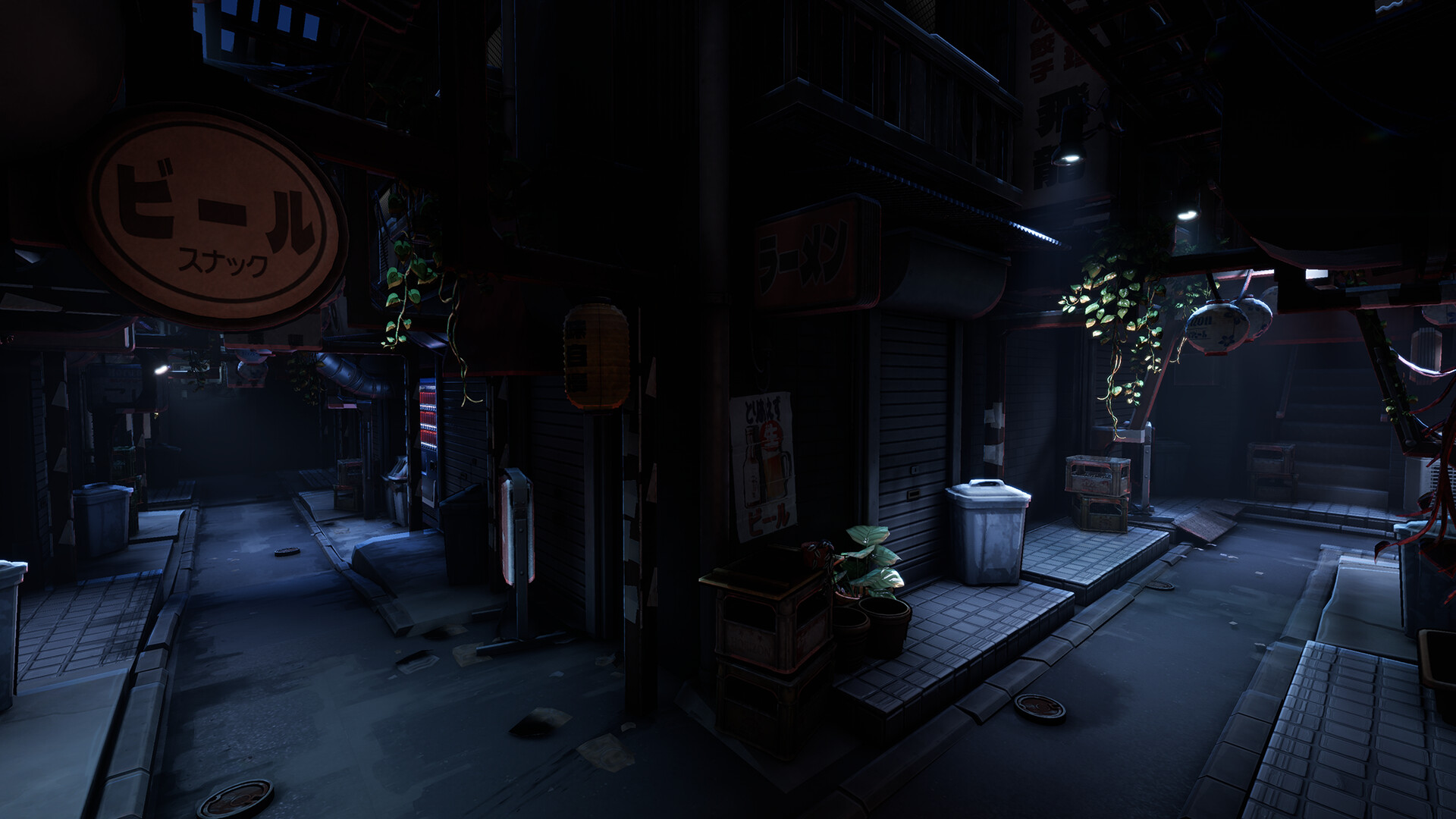
The trash station is a general trash zone in the alley. The route is worth learning once: reach it by turning left as you leave the restaurant and then taking a right, and the spot where the trash has to go is marked with a red indicator on the ground.
A full game is planned to have a trash collector pick up the alley trash once per day for a small fee, but in the current build that walk is still yours. The trash can inside the shop is movable, and moving it closer to where you work, or keeping the alley trash zone close to the shop, shortens the trip — which is one of the few places where the layout of your shop changes how long cleaning takes.
When the closing routine is a slog, the clean faster guide covers the habits that actually cut the time, including hitting the dirt itself rather than around it.